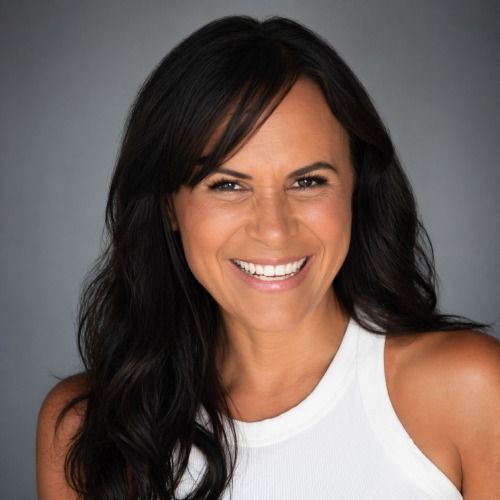
Episode 14
Kids or No Kids? Finding Peace With the Life You Didn't Expect | with Keltie Maguire
One decision can change the entire course of your life.
Should you have children... or not?
For many women, this isn't a simple choice. Divorce, heartbreak, infertility, timing, career, or simply not knowing what you truly want can leave you questioning the future you always imagined.
In this heartfelt conversation, Andrea sits down with clarity coach and Kids or Child Free podcast host Keltie Maguire to discuss one of life's biggest decisions.
Together they explore:
• How to know if motherhood is truly right for you
• The pressure society places on women to have children
• Grieving the life you thought you'd have
• Dating after divorce when children are still part of the conversation
• Loving someone who doesn't want kids
• Child free by choice vs. childless not by choice
• Fear of regret and fear of missing out
• How to find peace no matter which path life takes
Whether you're still deciding, your circumstances made the decision for you, or you're learning to embrace a different future than you expected, this conversation offers compassion, hope, and permission to create a beautiful life on your own terms.
⏱️ TIMESTAMPS
00:00 Why deciding whether to have children changes everything
02:25 Keltie's journey from fence sitter to confidently child free
10:25 Breaking free from society's expectations of women
15:15 The biggest fears women have about having or not having children
19:30 Grieving the life you thought you would have
22:20 Can anyone help you make this decision?
25:20 Dating after divorce when kids are still part of the equation
30:50 Falling in love with someone who already has children
35:25 Adoption, alternative paths, and what people are really searching for
37:20 Loving someone who doesn't want children
40:05 When should you discuss kids while dating?
41:55 A message for women whose path didn't go as planned
46:30 What if your partner changes everything?
52:00 How to create a meaningful life, with or without children
57:35 Final thoughts and encouragement
💡 I WANT TO HEAR FROM YOU: What do you do when life doesn't turn out the way you planned?
🎧 Listen Here
Audio: From Mrs to Ms
Stay connected with Andrea
▶ YouTube: @frommrs2ms
◎ Instagram:@from.mrs.2.ms
♪ TikTok: @from.mrs.2.ms
🌐 Website: From Mrs to Ms Podcast
✉️ Email: frommrstomspodcast@gmail.com
Connect with Keltie Maguire:
Podcast: Kids or Child Free
Website: Keltie Maguire
Instagram: Kids or Child Free
Please help support the show (every little bit helps 💕)
Transcript
What happened as far as, like, what did I miss together?
Speaker A:We were in this together, right?
Speaker A:And like, I, you know, I fully celebrate people for whatever choice they make.
Speaker A:I, of course, am super happy for my friends who've wanted to and have become parents.
Speaker A:I was worried about what would happen when I was older, like, what that meant about me as a woman.
Speaker A:Like, would I be letting my husband down?
Speaker A:Would he have resentment someday?
Speaker B:So there are some decisions in life that completely shape the path we take.
Speaker B:It's who we marry, whether we stay, whether we leave, and for many women, whether or not to have children.
Speaker B:This is such a big and interesting topic.
Speaker B:And the interesting thing is that not everyone gets to make that decision under the circumstances that they imagined.
Speaker B:So divorce hurts, heartbreak.
Speaker B:We talk about this all the time here on from Mrs. Tomes.
Speaker B:We talk about loss or simply life taking an unexpected turn and how that can force us to revisit questions that maybe we thought we'd already answered at some point.
Speaker B:So today we are talking about what it really means to choose your own path, to grieve the one you thought you'd had and, you know, find peace with whatever that looks like.
Speaker B:And I couldn't think of a better person to have this conversation with than today's guest.
Speaker B:I'm so excited to have Kelty McGuire here with me.
Speaker B:I'm gonna say hi before I introduce you.
Speaker B:Keltie.
Speaker B:Hi.
Speaker A:Oh, my gosh.
Speaker A:Hi.
Speaker A:This was already the best intro anyone has ever made.
Speaker A:So keep going.
Speaker A:It's so good.
Speaker B:It's gonna get better.
Speaker B:So Kelty is a clarity coach.
Speaker B:She helps people decide whether parenthood or a child free life is right for them.
Speaker B:And as a former fence sitter who spent years stuck in uncertainty before ultimately choosing the child free path kept, Kilty understands what it's like not to just know and truly believes that a joyful and fulfilled life is possible either way.
Speaker B:So now she helps others move from stewing in motherhood ambivalence to confidently pursuing the path that's right for them.
Speaker B:And through her coaching, her workshops, her programs, and as host of the Kids or Child Free podcast in her free time, you will find her living her best child free life by hiking in the Alps woof with her husband and her dog.
Speaker B:She's exploring nearby countries in or just enjoying a craft beer at her favorite Munich brewery.
Speaker B:Let me get that word right.
Speaker B:So we were just catching up on this and learning about Kelti living in Germany, such a fun and exciting experience for you, but I'm excited to really dive into this whole child free path that you've taken and how that like, you know, affects others in your life, how it affected your life.
Speaker B:And for someone who's listening, that's on the fence right now.
Speaker B:I'm just going to ask you straight up, what would you want them to know before they make one of the biggest decisions of their life?
Speaker B:You know, I think understanding your own journey is going to help us answer that.
Speaker B:So take us back.
Speaker B:You spent years trying to decide whether motherhood was right for you.
Speaker A:Oh, gosh, years and years.
Speaker A:And you know what?
Speaker A:Somebody who's on the fence right now and trying to make this decision, I would want them to know that they are not alone in their indecision and ambivalence because that was like a huge added burden to my decision process, which we can talk about in a moment, that there is a way to make a clear decision that you can feel good about.
Speaker A:And my deepest belief is that you can live a really beautiful, meaningful, fulfilled life no matter what you choose.
Speaker A:That I know this decision can feel so high stakes.
Speaker A:It can feel like this is going to make or break the rest of my life.
Speaker A:And if I don't choose right, I'm going to be like, you know, either missing out on the experience of motherhood, which, you know, of course is true if we don't choose or have the, you know, ability to choose or have that path.
Speaker A:And likewise we can have that feeling that if I'm closing the door on my child free life, that, you know, I'll.
Speaker A:I'll entirely lose who I am, that I won't be able to have the kind of freedom and independence that's so important to me.
Speaker A:And while there are certainly trade offs with any choice, I really believe and have seen that we can live good lives in so many different ways.
Speaker A:So, yeah, I think that's.
Speaker A:I love to know.
Speaker B:Yeah, I love that.
Speaker B:I love that there's so many different avenues that you're going to take us down to kind of help us understand and get a better feeling about that.
Speaker B:So I think it'll help for people to kind of understand.
Speaker B:Understand your story.
Speaker B:Right?
Speaker A:Yeah.
Speaker B:Can you kind of take us back because you spent years trying to decide whether motherhood was right for you.
Speaker A:Yes.
Speaker A:Right.
Speaker B:So can you talk to us about your own indecision about whether to have kids and how you ultimately arrived at where you are now?
Speaker A:Yeah, of course.
Speaker A:So for context, I'm 44 today and I had the assumption, probably like many, if not most women, that I would have kids someday.
Speaker A:Like it was yeah, it was just sort of a foregone conclusion that that is what you do.
Speaker A:It is what I saw all the women in my life doing.
Speaker A:I really didn't have examples of people who had either chosen or circumstantially ended up without children, like it seemed for me, at least in my relatively small town sort of upbringing, fairly close knit family.
Speaker A:Like, I just.
Speaker A:I didn't have examples of people who had walked another path.
Speaker A:And so for me, I wouldn't say I really thought much about motherhood.
Speaker A:It wasn't something I dreamed about or had any sort of, like, big aspirations around, if you will.
Speaker A:But let's say this.
Speaker A:It was always a someday thing, a someday problem to solve, too.
Speaker A:Like, I'll figure it out when the time's right.
Speaker A:Later.
Speaker A:Now, I met my husband when I was 27, and I would say very early in our relationship, I felt like this is the person that I hope to spend my life with, that, you know, I see a long future with.
Speaker A:And there was never any question as to whether he would be a wonderful father and that I never felt like this wouldn't be the person that I would do this with.
Speaker A:It was just like that that would be the thing that we would do.
Speaker A:Now, alongside that, of course, a lot of my friends in their late 20s, early 30s, they started, you know, getting married, having children.
Speaker A:And for me, it always felt like something I just wasn't ready to do yet.
Speaker A:And, you know, I hear from a lot of mothers that.
Speaker A:And I think in general, this idea of readiness is something that, on the one hand, we never feel fully ready for it.
Speaker A:I don't know if I can define a word with the same word, but, you know, like, never feel ready to be ready.
Speaker A:And at the same time, like, it just anytime I thought about this, every time we discussed it, it was always like, later, later, later.
Speaker A:I'm not sure at what point it really occurred to me that I had a decision.
Speaker A:I mean, of course, intellectually I understood that I could choose not to, but it didn't feel like a valid path for me to take.
Speaker A:And I can remember talking with friends of mine again, probably in my, like, late 20s, early 30s, saying, like, I'm not.
Speaker A:I don't know if I'd want to be a mom if that's an experience that I would enjoy.
Speaker A:Like, I have all these reservations.
Speaker A:And most of the women I spoke with would say, like, yeah, totally, I get it.
Speaker A:Me too.
Speaker A:I mean, of course there were exceptions.
Speaker A:I had friends who also had dreamt about this for a long Time being a mom.
Speaker A:But anytime I felt like there was somebody who understood where I was coming from, what would usually happen is within a period of months or years, the pregnancy announcement would come, the baby would arrive, and I'd always be left thinking, like, what happened?
Speaker A:As far as, like, what did I.
Speaker A:We were in together, right?
Speaker A:And, like, I, you know, I fully celebrate people for whatever choice they make.
Speaker A:I, of course, am super happy for my friends who've wanted to and have become parents.
Speaker A:But I always remember just feeling like, what is wrong with me?
Speaker A:Like, I really.
Speaker A:I will say I internalized this idea of being, like a bad woman.
Speaker A:That I felt very feminine, that I felt like there must be something broken.
Speaker A:I wondered if it was like, is this a hormonal deficiency?
Speaker A:Is it because of something in my upbringing?
Speaker A:You know, there was nothing I could really pinpoint.
Speaker A:But essentially, I got so sort of wound up about this.
Speaker A:And I, you know, I say I was on the fence for a long time, but in a way, I wasn't really actively doing anything about it.
Speaker A:I was just sort of like, should we have kids?
Speaker A:I don't know.
Speaker A:Like, I remember I went off the birth control at one point because I thought, okay, well, let's see if I can ovulate.
Speaker A:And we weren't actively trying to have a child or even accidentally trying.
Speaker A:Like, it was like we were still using contraception, but it was kind of like that was the next thing I thought, okay, we're.
Speaker A:We're going to.
Speaker A:And I finally sort of just put hold a hold on things.
Speaker A:I thought, you know what?
Speaker A:I'm just going to wait and see how I'm feeling.
Speaker A:I'm going to wait until I'm 35.
Speaker A:This felt like a magic number that I hear from a lot of women, because of course, we hear that, like, our fertility starts to rapidly decline at the age of 35.
Speaker A:Of course, there's some truth and there's some lies in that.
Speaker A:In that.
Speaker A:But, you know, this felt like the big magic number for me.
Speaker A:And of course, 32, 33, 34 came and went.
Speaker A:And actually around the time I turned 35 would have been when we made the decision to move to Germany.
Speaker A:Now I still had it in the back of my head that perhaps we would move to Germany for a year or so.
Speaker A:Maybe we would try and have a child.
Speaker A:You know, we would move back home, so I'd have the support of my family and everything like that.
Speaker A:But the more I grappled with it and the more resistance I felt and the more mixed up I got I really realized, like, this was not something that was just going to show up for me.
Speaker A:This, it felt like that was most people's experience.
Speaker A:Like people say, like, don't worry, you'll just know.
Speaker A:But me waiting around and trying to buy my, buy my time or buy my time, I'll pay anything, it wasn't, it wasn't helping.
Speaker A:And so I want to say probably within about 6 to 12 months of us moving to Germany.
Speaker A:And I will, I will say, like something nice about starting fresh in a way, in a new place is it really gives you a chance to ask yourself the big questions in life and be like, what do I want?
Speaker A:Like, what kind of future am I building here?
Speaker A:And at that point I was really questioning the idea that, you know, essentially maybe kids weren't for me and that I could say yes to a child free path, but there was a lot of fear wrapped up in that.
Speaker A:Yeah, I was worried about what would happen when I was older, like what that meant about me as a woman.
Speaker A:Like, would I be letting my husband down?
Speaker A:Would he have resentment someday?
Speaker A:He, by the way, was very ambivalent about this decision and very much.
Speaker B:I was just gonna ask that.
Speaker A:Yeah, yeah, I think we can talk about that a bit more after.
Speaker A:But like, I think you need to figure out what's right for you.
Speaker A:But in summary, I pretty much got to a point where I said I'm going to have to actively make this decision.
Speaker A:I'm going to have to, you know, reflect on this.
Speaker A:I'm going to have to really like dig deep and figure out what I want.
Speaker A:And at that point in time, I actually had a career pivot.
Speaker A:I was designing jewelry and I ended up closing that business and deciding to pursue a more service based business.
Speaker A:And I was coaching people to help them get clarity in their lives.
Speaker A:Not pertaining to this decision, but more like, what do I want?
Speaker A:What's next for me?
Speaker A:Do I want to close my business, quit my job, start something new?
Speaker A:And I found that there was actually a lot of parallels between the work I was supporting them with and the questions I was asking myself in terms of like, how do I want to feel?
Speaker A:What's this all for?
Speaker A:What's important to me?
Speaker A:Like, how do I see my future and that I can apply those questions to this decision.
Speaker A:And so it was pretty much that process of sort of soul searching, reflection.
Speaker A:Also I did some, did some work with a life coach that I got to a point where I realized it was less about me, like toying between these two different options or paths.
Speaker A:And it was more resistance to fully claiming the child free path.
Speaker A:It was more like, I don't think I'm actually, like, I don't think having kids is really on the table at this point for me anymore.
Speaker A:Like, I've been with my partner 10 years, I've got all this resistance around.
Speaker A:There's not that much about that experience that I actually want.
Speaker A:So why am I so stuck?
Speaker A:And for me, a lot of it had to do with, again, like, the really negative sort of beliefs and narratives I had around being child free.
Speaker A:So, yeah, you know, fast forward to now.
Speaker A:We can, we can, of course, I'm sure through the episode talk a little bit more about what that journey's been, but I feel very good at my child free decision.
Speaker A:I've since started helping others, women, men, couples with this decision to help them figure out what path is right for them.
Speaker A:And I just really celebrate whatever path people choose, provided that they're doing that from a place that feels aligned and that feels like, you know, they're, they're doing it for reasons that feel good for them.
Speaker A:I think it's not so much about having a bad or good reason.
Speaker A:It's more like, do you stand behind your decision?
Speaker A:Yeah.
Speaker A:And so it's, it's very cool.
Speaker A:It's.
Speaker A:I mean, this decision has not just changed my life for me personally, but it's like, interesting how it's evolved into this work that has helped so many others.
Speaker B:Yes.
Speaker B:That's amazing.
Speaker B:Thank you for sharing that story long,.
Speaker A:By the way, Andrea.
Speaker A:That's okay.
Speaker B:That's okay.
Speaker B:We need to know where you came from so we know where we're going, you know, and so I, I love that you said all of that because there's so many interesting things that you touched on so many of so much of societal beliefs.
Speaker B:Right.
Speaker B:Of who we should be, what we should want and all of these things.
Speaker A:Yeah.
Speaker B:Weighs so heavily on us all of the time.
Speaker B:And I, I think about that in relation to, like, job wise.
Speaker B:I just talked about this the other day and I'm like, I never knew what I wanted to be when I was little.
Speaker B:Like, there's people are like, I want to be a policeman, I want to be a lawyer.
Speaker B:You know, they just know.
Speaker B:And I think it's very similar to a lot that when they're young, they know I want to have kids, they know exactly what they want their wedding to look like.
Speaker B:I didn't like, think of any of that.
Speaker B:I didn't have a little book or dreams or images, you know, and so I think that when that happens, a lot of people do go into that fear, like you did of what's wrong with me, why am I not feeling that way?
Speaker B:And I remember feeling that way simply about not knowing what I want to do when I grew up, you know, and so it's a really difficult time because it doesn't allow you to really focus on how you're feeling about the situation.
Speaker B:You're so worried about what everybody's thinking around you.
Speaker A:Totally.
Speaker B:Yeah, yeah, yeah.
Speaker B:And.
Speaker B:And then also, when you talked about, you know, you kind of kept pushing the date a little bit, right?
Speaker B:You're like, oh, I'll do it when I'm 30.
Speaker B:I'll do.
Speaker B:When I'm 32, I'll do it 35.
Speaker A:Right.
Speaker B:Like, that's what we do.
Speaker B:And then when you think about that, why am I pushing that off so much?
Speaker B:What is it that I'm so hesitant or apprehensive about?
Speaker B:Yeah.
Speaker B:And so I think that's very interesting that you got to that point.
Speaker B:And I think that sometimes, like, for me, I. I have two sons.
Speaker B:They're 23 and 28, and I got pregnant accidentally at 23.
Speaker B:And so it was just kind of like, okay, here we go.
Speaker A:You know, you're in motion, right?
Speaker A:Yeah, of course.
Speaker B:And terrifying at 23 years old, like, whoa, what does this look like?
Speaker B:You know, And.
Speaker B:And so then, you know, ended up having another one.
Speaker B:And I talk to people all the time because it.
Speaker B:I'm single, I'm divorced, and so I'm dating.
Speaker B:And I find it very interesting, Kelsey, when I talk to men about that, have, you know, never been married or no kids or what, you know, and I'm always curious to ask them, did you.
Speaker B:Did you not want kids?
Speaker B:Did you feel like it wasn't right for you?
Speaker B:Did you not find the right person?
Speaker B:And, you know, they often say, I don't know, my career just got in the way.
Speaker B:I just started doing the career, and then by the time, you know, I'm here, it's like, too late.
Speaker B:Or, you know, things just kind of settled with.
Speaker B:With the situation.
Speaker B:I don't know how much they really thought about it, but I really find that fascinating that people.
Speaker B:I hate to say that I find it fascinating when people, you know, are like that because I want to ask them all these questions, you know.
Speaker A:Yeah.
Speaker B:And I also have thought about.
Speaker B:And we can.
Speaker B:I'm sure you'll maybe answer this or something later about.
Speaker B:Is that a red flag for some people when a man.
Speaker B:Not necessarily woman, but when a Man has not had a child.
Speaker B:Well, you know, I can do the.
Speaker B:Been married and had kids, because my fear with dating somebody that's not having.
Speaker B:That has not had kids.
Speaker A:Yeah.
Speaker B:My own perception is, do they truly know how to love somebody outside of themselves?
Speaker A:Right.
Speaker B:Like, that's the question that I've thought right or wrong.
Speaker B:I mean, I'm sure I'm wrong on that.
Speaker B:It's just, you know, I'm.
Speaker B:I'm looking for an answer.
Speaker B:Why, why, why?
Speaker B:You know, So I love that you've taken this, though, and really turned it to be something that works for you and you're authentic about it, where you're just like, you know what?
Speaker B:This is just not the path for me.
Speaker B:But you've turned it into a way of helping others, too.
Speaker B:So I think that's.
Speaker B:Yeah, that's really super cool.
Speaker B:So now that you're coaching and helping people doing this, what do you think is the most common fear that women come to you with when it comes to having or not having children?
Speaker B:Are most of them regretful or they feel like they're missing out or something else?
Speaker A:Honestly, those are two of the biggest.
Speaker A:Like, I would say those are overarching themes for people, and that, that pertains to, like, both sides of, of the decision.
Speaker A:So it's this feeling of like, if I don't have kids, I'm.
Speaker A:I mean, society tells people, you will regret it if you don't have children.
Speaker A:There's a lot more candor and openness about the challenges of having and raising kids, especially.
Speaker A:I mean, it's.
Speaker A:It's always been challenging for women, but of course, there's like, so much additional pressure and juggle.
Speaker A:And we know there's still, like, largely a big imbalance at home, especially in terms of things like the mental emotional load and everything like that.
Speaker A:So with that, there's a lot more honesty around motherhood and parenting.
Speaker A:And there's even forums, for example, like the Regretting Parenthood Reddit subreddit.
Speaker A:I love that there's more openness talking about this.
Speaker A:Of course, this is a huge taboo.
Speaker A:But that then becomes another fear for people of, like, well, what if I regret having kids?
Speaker A:Because that would be even more awful because not only is it me who feels regretful, but that regret may, at least the perception is, be damaging to my child.
Speaker A:Which, you know, in reality, most people who regret having a child, it's not about that specific child.
Speaker A:It's more this role of mother and saying, you know, I'm not sure parenthood was really that right.
Speaker A:Choice for me.
Speaker A:But of course I love my child deeply.
Speaker A:And I shouldn't say of course.
Speaker A:Of course there's all kinds of people out there with different feelings, but I think that's what gets.
Speaker A:That's the misconstrual that we have largely in, like, the media and popular culture is that, like, women who talk about regretting motherhood don't like their kids or they hate their kids or they're bad people.
Speaker A:No, they're just saying, like, gosh, this really wasn't the right fit kind of path for me.
Speaker B:Yeah.
Speaker A:And so.
Speaker A:So that.
Speaker A:That being said, yeah, regret's a big one.
Speaker A:Like, basically, you're damned if you do, you're damned if you don't.
Speaker A:What if I regret my decision?
Speaker A:And of course, especially with women and our, you know, fertility and biological clocks, if you will, there are deadlines.
Speaker A:Right.
Speaker A:So it's like the biggest thing is, what if I regret it when it's too late and I can't change my mind?
Speaker A:And of course, if you have a child, you can't return it.
Speaker A:It's generally not frowned down upon.
Speaker A:Yeah.
Speaker A:You know, the fear of missing out is a big one, too, and I think that ties in with regret.
Speaker A:But for people who are thinking about having kids, there's this sense of, oh, gosh, you know, I'm really going to miss the freedom, the independence, the flexibility of my life without children, my identity.
Speaker A:There's, like, a lot for women tied up in this fear of, like, losing my sense of self if I were to become a mom.
Speaker A:And conversely, thinking about not having kids while I'm missing what I am being told is the world's most profound pinnacle, human experience.
Speaker A:And.
Speaker A:And for me personally, like, I've gotten to a place of peace where I'm, like, I have no doubt I am missing something super profound and unique.
Speaker A:And yet it's weird how we always, like, with these two decisions, have to compare or pit one against the other.
Speaker A:Like, yeah, this one is greater, this one is better, this one is more selfish, this one is more selfless, whatever it might be.
Speaker B:Right.
Speaker A:Yeah.
Speaker A:So those.
Speaker A:Those are some big common ones.
Speaker A:But, gosh, I mean, sure, there's a laundry list for each path that.
Speaker A:That people get really stuck in and have trouble sorting through to figure out what their true feelings are on things.
Speaker B:Yeah.
Speaker B:And it's.
Speaker B:I think it's really difficult because there is this timeline attached to it.
Speaker A:Yeah.
Speaker B:Right on top of it.
Speaker B:So it's like when you're making these decisions, you're constantly having to think about Our biological clock that's running out, you know, the timing of everything.
Speaker B:And then when you do get to the point, return.
Speaker B:That's when I would think that most people's it would come, you know, kind of creep in of like, ah, I never, you know, I never did that.
Speaker B:Right.
Speaker B:Because we.
Speaker B:I can relate that to a lot of things we say we're going to do when we're younger.
Speaker B:And then as we get older, we're like, well, my body just.
Speaker B:I can't do that physically anymore, you know, So I think that's a really.
Speaker B:Yeah, that's a really tough place to be.
Speaker B:So.
Speaker B:Yeah.
Speaker B:Interesting.
Speaker B:And a lot of my listeners are, you know, mostly midlife.
Speaker B:So they're not really making this.
Speaker B:We're not talking to people that are mostly making this decision in their 30s.
Speaker B:Right.
Speaker B:These are ones that have been divorced and widowed or dating again after heartbreak.
Speaker B:And so I'm asking you, how does grief over the life you thought you'd have affect the way people think about having children?
Speaker B:I think that's probably so hard.
Speaker B:You feel this, you know, something that's just lingering over what should have been or not.
Speaker A:Yeah.
Speaker A:You know, grief plays a role in this decision for many people, whether that's in a small or large way.
Speaker A:We might grieve, for example, let's say somebody who even wholeheartedly moves towards the child.
Speaker A:Free decision, like, there is no questions asked.
Speaker A:And they're just like, nope, having kids isn't for me.
Speaker A:They might grieve their relationships with their friends and the fact that those might change either indefinitely or for a period of time through that season, especially of early motherhood.
Speaker A:They might grieve the fact that they are not going to have that experience with their own parents of, like, seeing them as grandparents and having that sort of intergenerational bond or connection.
Speaker B:Yeah.
Speaker A:I hear many moms talk about grieving their, like, their former selves or a self that maybe felt more carefree or didn't have like, the worry and care for another.
Speaker A:So of course there's going to be like.
Speaker A:And I don't want to, like, paint those as like, insignificant griefs.
Speaker A:Those.
Speaker A:Those are real.
Speaker A:But sometimes, of course, there, there's big grief.
Speaker A:There's like, I wanted to have kids and I didn't meet that partner, or I wanted to and I wasn't able to, or, you know, my life just hasn't taken.
Speaker A:Or.
Speaker A:Or I had children and I'm not with their, their father or mother anymore.
Speaker A:And like, there's, of course, unique heartbreak in that as well, and so my recommendation to people like we did, to be with the grief, you know, of course, getting, getting support with that, but like, just allowing yourself to be in the, the emotions.
Speaker A:I think a lot of times we, we're almost afraid to counter or encounter that and experience it.
Speaker A:Because what I found with a lot of people, especially once they've made their decision, is if they allow in any of the tough emotions, they equate that with, like, I made the wrong decision or I'm on the wrong path, right, the wrong thing has happened to me.
Speaker A:Like, if I say, like, gosh, I'm really experiencing grief, that I'm not sharing this special intergenerational bond with my mother like she had with her mother and with her grandmother, that that means I should have had kids.
Speaker A:And what I've learned for myself and with my clients is like, I can feel sadness and I can like, let that grief move through me, however that looks.
Speaker A:And that doesn't mean this is the wrong path.
Speaker A:It just means that it's hard.
Speaker A:And, you know, I tell people, like, no matter what you choose or no matter what path you end up on, you're not going to be immune to heartache and grief and frustration and regret even, Even.
Speaker A:It's funny how we characterize regret as like, this permanent state.
Speaker A:But why can't regret just be an emotional state like anything else?
Speaker A:I'm grieving my marriage now that it ended.
Speaker A:Just like I regret, you know, maybe a certain aspect of my decision, it doesn't mean that the whole thing is terrible forevermore.
Speaker A:So, yeah, grief plays a big role and it can be tough to contend with.
Speaker B:Oh my gosh, for sure.
Speaker B:And do you find most people that come to you for help, are they, are they hoping that you'll give them the answer?
Speaker B:Are they like, coming, you know, like, they're like, oh, I gotta talk to somebody and she's gonna make me feel better about my decision, or the other way around, like, help push me towards something.
Speaker B:Or are they usually just coming to you to, like, talk it through?
Speaker A:Well, I mean, I, I work with smart people, so they, they, they recognize.
Speaker B:I can't give them the answer.
Speaker A:No, I mean, they, they recognize I can't give them the answer, but they sure say they would like it.
Speaker A:Yeah, you know, I've had people ask me, like, do you, can you, can you sort of, you know, intuit what people are going to choose?
Speaker A:And I, I think I, I have an ability to, of course, like, have a, you know, 360 degree view of people in a Way that they may not always be able to or like make observations or hold up a mirror to their own sort of like feelings and experiences.
Speaker A:But I mean the.
Speaker A:I think a lot of the ways that people approach this decision is if there's already a decision or an answer written in stone.
Speaker A:Right.
Speaker A:Like the idea.
Speaker A:Even if somebody had somebody on a call yesterday, like, do you think my behavior, you know, feeling or saying xyz, is that a sign that I want kids or don't want kids?
Speaker A:I'm like, well, I don't know.
Speaker A:But asking if it's a sign, it almost makes the implication that there's something that already exists.
Speaker A:Like there's a pre written decision and while that.
Speaker B:And you're just waiting for that to confirm.
Speaker A:Yeah.
Speaker A:Or like discovered.
Speaker A:It's like buried treasure.
Speaker A:Whereas it's more like almost like, can we like build our own treasure?
Speaker A:Like what, like take more of a hand in creating the life that we want for ourselves.
Speaker A:Even if that life that we want may not be what our first choice was.
Speaker A:It may not be.
Speaker A:And I think, like, I want to just speak to somebody who I've had on the podcast who.
Speaker A:She really wanted to have children.
Speaker A:She had subsequent pregnancy losses.
Speaker A:She.
Speaker A:Her name is Carrie Houskins and she, she had a.
Speaker A:Her daughter was stillborn.
Speaker A:She ultimately came to a point where the decision was essentially made and circumstances dictated, like she could not have children.
Speaker A:Her and her husband.
Speaker A:She really.
Speaker A:It's incredible to see the beautiful life she has and continues to create for herself and her attitude, despite the fact that she still has mourning and grief, you know, associated with these losses from many years ago.
Speaker A:She every day is looking to like create these moments of beauty and to like really look at like, it's.
Speaker A:It's like this question of like, what's within my control here.
Speaker A:We can't control everything.
Speaker A:But like, what about the path I'm on or the path I'm chosen?
Speaker A:Do I.
Speaker A:Do I have some sense of agency or the ability to sort of maneuver?
Speaker A:Because yeah, we're not going to like every path we ultimately choose or end up on, but I think we need to, while respecting the grief, allowing ourselves to mourn the path not chosen or the path that didn't happen also not allow that to become like our life story forevermore.
Speaker A:I'm curious, maybe there's some parallels with like, some of the women that you speak with, you know, even around this topic of like divorce.
Speaker A:Right.
Speaker A:Of course, yeah.
Speaker A:You can make that become like, that's your life story forevermore.
Speaker A:But like, can There be.
Speaker A:Can that be there be opportunities in that as well, if you will, or a way forward?
Speaker B:Yeah, for sure.
Speaker B:I think there.
Speaker B:I think that's kind of what happens.
Speaker B:And as things change throughout our lives, we go through these different phases and periods, these things change.
Speaker B:Right.
Speaker B:And yeah, I was just going to ask you that.
Speaker B:Like, you know, for women that are dating, how do you navigate that with them after all these big life changes?
Speaker B:And do their answers change, like, as their circumstances and things change?
Speaker B:Right.
Speaker B:Like, when they might come to you and they're like, well, I'm recently divorced.
Speaker B:I've just started dating.
Speaker A:Yeah.
Speaker B:I don't think I want to have kids.
Speaker B:And then you might be working with them, you know, and they want to kind of grapple with that and get an understanding of that.
Speaker B:Who knows where they are a year later, they're coming to you now going, okay, I'm with a guy and I, yeah, I want to have kids.
Speaker B:Does that happen a lot where people are.
Speaker A:Absolutely, yeah.
Speaker A:And I. I have and, you know, do work with a number of women who, you know, have been divorced.
Speaker A:And I think you need to recognize, like, on the one hand, I think it's wonderful and important for us to spend time sitting with this decision on our own to sort of say, like, what are my feelings around this?
Speaker A:You know, what.
Speaker A:What sort of desires do I have for one path or another?
Speaker A:And I'd encourage people not to think about this is like a yes or a no sort of black and white decision, but, like, more of a warmth of feeling.
Speaker A:Like, do I.
Speaker A:Is there, like, a curiosity about having children?
Speaker A:Is there, like, an.
Speaker A:Am I open to that?
Speaker A:If we're thinking about, like, a temperature dial or a thermostat, like, are you, like, totally cold?
Speaker A:That is like, no, that's not for me.
Speaker A:Are you, like, yeah, maybe I'm somewhere in the middle because I.
Speaker A:Sometimes people go from one absolute extreme to another.
Speaker A:Yes, of course.
Speaker A:But often when we're in that sort of, like, middle ground, the, like, the kind of muddled, like, part of me wants this, part of me doesn't.
Speaker A:Life circumstances can intensify or dull, if you will, certain feelings.
Speaker A:Like if you're with a partner and there's this inherent sense.
Speaker A:I had someone on my podcast this past week, like, she knew that that was not going to be a great relationship to have a child with.
Speaker A:So we may either not have as much intensity of feeling around that, like, we might even be like, I can't even think about having kids right now.
Speaker A:Like, this relationship's a Mess.
Speaker A:Or maybe.
Speaker A:Maybe the feelings aren't there.
Speaker A:You're like, no, I'm happy with our child, free life.
Speaker A:But then you meet someone where you cultivate a new dream or vision, or maybe that's really important to them.
Speaker A:So I know we want to be strong, independent women.
Speaker A:I want us to, too, of course.
Speaker A:But to think that our decisions and desires are going to be impacted by no one and nothing.
Speaker B:Right.
Speaker A:It doesn't make sense.
Speaker A:So to answer your question, yes, of course.
Speaker A:People finding themselves in a new season of life, meeting a new person, you know, opening their mind to the different possibilities.
Speaker A:Likewise, someone might say, I really want to have a kid, but hey, I've met this great guy and actually they've had a vasectomy or they've decided to have kids.
Speaker A:Or maybe you often meet people who've had a child and they don't want to have more.
Speaker A:It doesn't mean that that's going to be a deal breaker.
Speaker A:But they can be tricky situations to navigate.
Speaker B:Yeah.
Speaker B:There's so many different tricky situations.
Speaker B:Variables.
Speaker B:Right.
Speaker B:Like my mind, as you're talking, I'm just, like, going crazy because I think about this stuff a lot, being, you know, in the dating world.
Speaker B:And, you know, it's interesting when you find somebody that maybe already does have kids, too, like that whole aspect of it.
Speaker B:So now you, you know, you meet someone.
Speaker B:Gosh.
Speaker B:Yeah.
Speaker B:It's just opening up all these things that I'm thinking about because I really have to be careful with the.
Speaker B:The age range.
Speaker B:Right.
Speaker B:That I'm setting my.
Speaker B:Because I'm on the dating apps, you know, setting my profile for.
Speaker B:To meet people.
Speaker B:Because if I go.
Speaker B:So I'm 51, but if I go, you know, under 45, even maybe a little bit more, those guys are still looking to have kids because they don't.
Speaker A:Know what they want yet either.
Speaker A:Can we say that girlfriends who are in their mid-40s dating, and the guy's like, I'm not sure.
Speaker A:And it's sure.
Speaker A:I mean, listen, I work with women who in their early 40s aren't sure as well.
Speaker A:And I.
Speaker A:There's reasons for that.
Speaker A:But I do think we need to be a bit cautious that if someone maybe.
Speaker A:Like a couple of anecdotal examples you gave early in our conversation, if somebody hasn't given any thought to this decision by.
Speaker A:Call it age 45, it might speak of, like, bigger problems that could come up.
Speaker A:As far as somebody not really having given much thought to a lot of different things in life.
Speaker A:Right.
Speaker B:Yes.
Speaker B:And just kind of Throwing it out there also to see what it attracts, right?
Speaker A:Totally.
Speaker B:I don't know why.
Speaker B:It reminds me of the guy walking in the park that doesn't really have a baby, but he's got a baby with him that day.
Speaker B:He's got like his cousin's baby or you know, like you're just kind of seeing, seeing what happened.
Speaker A:Casting a wide net, like okay, let's see who I find, what I find.
Speaker A:And again, having some openness I think is okay.
Speaker A:But when it comes to dating, I think a lot of people, they're afraid that their preference is going to put off the right person.
Speaker A:And if it's the right person, they won't be put off.
Speaker A:Like yes, if you're child free by choice, you're pretty sure you don't want to have kids.
Speaker A:I know a lot of women are like, I'm never going to meet a man.
Speaker A:No, you will.
Speaker A:Like there are men also who do not want children or who are very ambivalent and happy to find that right life partner or you know, what situationship you want to find yourself in, etc.
Speaker A:So I, I get the tendency to say, well, I don't want to like narrow the field.
Speaker A:But I think, I think of it more as a sharpening, a honing of like the right type of person for you if you express your preferences.
Speaker B:Yeah, that's great, that's great.
Speaker B:So if somebody is dating and they meet.
Speaker A:Yeah.
Speaker B:You know, someone that has stepchildren, he's already got kids.
Speaker A:Yeah.
Speaker B:Man or woman, right?
Speaker A:Yeah.
Speaker B:You know, how does that kind of play into things?
Speaker B:And what if you are kind of wanting children of your own but now you're into this, this life where you've got step kids and you love the guy.
Speaker B:There's so many dynamics, Right.
Speaker B:How do you even approach that, I guess.
Speaker B:Or do you kind of give up?
Speaker B:Well, you know, he already has kids, so maybe I won't do that.
Speaker A:What do you think?
Speaker A:Yeah, I know we can't always help who we meet, the timing of when we meet someone.
Speaker A:You know, I'm sure there's people who think, well, you know, I just want to like, like go have some casual dates, meet some people and boom, next thing you know, they meet the love of their life and they're thinking, okay, this is not like an optimal fit.
Speaker A:Maybe for these various reasons.
Speaker A:I, I would say though, like if somebody's dating, first of all, of course, you know, thinking about what is the intention of like who, what kind of person am I hoping to meet?
Speaker A:What kind of relationship am I looking for.
Speaker A:Yes, I do think, I don't want to imply that you have to have everything all figured out before meeting a partner, but I do think, you know, if you're in your middle, mid to late 30s, 40s and beyond, like, you ideally want to have at least given some consideration to this decision before you're going to meet a serious partner.
Speaker A:Now in terms of whether that person has kids or not, you know, again, like, am I, am I open to that?
Speaker A:Like, maybe the ideal is they don't.
Speaker A:We would have a family together.
Speaker A:Maybe there is an openness to them having children.
Speaker A:Like, I, you know, I know girlfriends who've dated and said, like, I don't want to date a single stepdad.
Speaker A:And then or not a stepdad, a father, part of me and then others who've said, you know, I'm open to that.
Speaker A:But as far as finding yourself in a situation where, let's say, and I've seen this happen before, like, okay, I am either undecided or I'd like to have kids and my partner already has children of their own and they don't want to have more children, I, I think weighing out, like, in a sense, what is that greater desire?
Speaker A:Like, maybe really the framing of does having a child or children feel like an integral part of my life vision?
Speaker A:The tricky thing with that, as we know, is even if that is true, it doesn't always guarantee that that's going to happen.
Speaker B:Yeah.
Speaker A:Or is there an openness?
Speaker A:Like, yeah, I would have really liked this, but like, maybe there are some other ways in order to fulfill some of those urges, desires, longings.
Speaker A:And so really, if somebody is interested in having children, like, I would be asking, like, what about the success experience?
Speaker A:Am I craving?
Speaker A:Like, what part of this do I want?
Speaker A:Is it about mentorship?
Speaker A:Is it about, you know, having a certain kind of relationship?
Speaker A:Is it about family?
Speaker A:Is it about teaching?
Speaker A:Is it about play and fun?
Speaker A:And like, that a could be found through other relationships, like if you end up having stepchildren, but also through other people in your life, cultivating intergener, intergenerational relationships, showing up as like an auntie, whether, you know, through actual blood relations or otherwise.
Speaker A:And so I guess for people really getting to the heart of like, what is at the core of these desires that I have, whether for parenthood or for being child free.
Speaker A:Are there other ways in which I can still express these or experience these?
Speaker A:Sometimes for some people, it feels like a consolation prize.
Speaker A:Right?
Speaker A:And I'm not here to say like, oh, being a stepmom is the same as being a mom because I also understand those relationships can feel fraught and it can feel like my.
Speaker A:I've had a number of women I've worked with recently.
Speaker A:It's like my husband has something with their ex that I will never have.
Speaker A:Like, even if you don't want kids, that can be a feeling of like, I'm the outsider.
Speaker A:They have a team project and I'm not a part of it.
Speaker A:And there's, there's real grief and emotion that needs to be processed.
Speaker A:And I think I had a woman named Tanya Kelly who was on the podcast recently, and her husband has a child from a previous marriage, did not want more children.
Speaker A:She was actually on the fence and ultimately decided to be child free.
Speaker A:But she still has talked about the fact that it brings up some tough feelings because occasions like Mother's Day, Father's Day, holidays, you know, it's like, yes.
Speaker A:And.
Speaker A:And she actually approached me saying, you know, I'd love to hear stories of other people.
Speaker A:And I said, like, I think it's gonna be a go first situation.
Speaker A:So she came on the podcast and talked about it, and now she's had other women reaching out to her saying, you know, I'm in a similar boat.
Speaker A:My partner also has kids and I'm either child free or I'm undecided.
Speaker A:So I'd love to say there's like some prescriptive approach to that, but I think knowing that it's not always going to be easy and comfortable and like getting the support that you need, whether it's talking to someone in situation or navigating that in therapy, having really candid conversations with your partner, trying to like, you know, is there some empathy and understanding or is it just like, yeah, whatever, you know, we're not having kids.
Speaker A:Quit talking about this sort of thing.
Speaker A:Like, yeah, it doesn't mean I'm not.
Speaker A:Empathy and understanding doesn't mean they're going to like, give in to that desire.
Speaker A:But like, do you feel supported?
Speaker A:Like, are there other ways to have those needs met?
Speaker A:Let's say if you're feeling like an outsider in your own family.
Speaker A:Because to me, that's not about them having kids or not.
Speaker A:That's about a dynamic, right?
Speaker B:Yeah, exactly.
Speaker B:Do you get to a point or is there at a point where somebody's very, you know, they're like, gosh, I don't know if I want, and I don't know that I necessarily do.
Speaker B:Do you guide them ever?
Speaker B:Towards what about adoption or, you know, maybe going a different route, or do you mainly just focus in your own, like, birth?
Speaker A:Yeah, yeah.
Speaker A:I mean, adoption and pregnancy and having children through, you know, any means for that matter.
Speaker A:It's.
Speaker A:It's very much something that I discuss with clients.
Speaker A:And I think where.
Speaker A:Where that maybe comes more into play for some people is going to be if, like, usually there's already something in the picture that's making them consider adoption, for example, or surrogacy or, you know, if we look at queer couples, of course there's like, it's.
Speaker A:It's not as straightforward to have a child.
Speaker A:And so that can sometimes be something that can be explored.
Speaker A:It's like if somebody, if there's really any part of motherhood or having children that they, like, either have a lot of fear around or there's an inability, let's say, through, like, for medical reasons and stuff.
Speaker A:So it's like, I would say, yes, I, I talk to you and support couples who are having children through different means.
Speaker A:But I would say if they're unsure, typically bringing in, like, an additional option of, like, have a kid this way, it might be an interesting thought experiment for someone.
Speaker A:Even like, if they're like, oh, well, I would consider adopting.
Speaker A:I would be like, okay, what about that feels more palatable to you than having a child?
Speaker A:Like, because that might get to the root of some of the things that are holding them back.
Speaker A:But typically, the how, if you will, it's.
Speaker A:It's coming a little bit later down the road first.
Speaker A:It's more like, do I want the experience of having and raising a child?
Speaker B:Yeah, yeah, yeah.
Speaker B:So if you're with a partner that maybe is just like, you know what, we've been together, but.
Speaker B:And I've already had my kids and you don't have any kids.
Speaker B:But I am done having kids at this.
Speaker B:This point.
Speaker B:Right.
Speaker B:How do you guide them or show them the difference between compromising.
Speaker B:Right.
Speaker B:Or just giving up something that they'll truly regret?
Speaker B:Because I'm sure people, you know, we all compromise a little bit, but that's a big compromise, right?
Speaker B:Absolutely.
Speaker B:So is that kind of where some people come to you and, like, I don't know what to do here because I really do want kids, but I really love this person and want to,.
Speaker A:And I see a life with them.
Speaker B:In the future, where do I find that middle ground?
Speaker B:Does that happen?
Speaker A:Yeah.
Speaker A:And I would say, you know, in.
Speaker A:In a situation like that, it's like, it might be about seeing, like, can we, can we cultivate sort of an openness to the child, free Path, like, what would that life with your partner need to look like for you to feel good about it or for you to feel better about it?
Speaker A:It's not.
Speaker A:I'm not in the business of changing people's minds, right.
Speaker A:Like in this case.
Speaker A:In this case of like, saying, well, like, you should not have kids and stay with your partner.
Speaker A:But really, like, yes, sometimes things in the relationship are really wonderful.
Speaker A:There's like this very much this shared life vision.
Speaker A:Everything is, like, super awesome.
Speaker A:And I think for people exploring the possibility of, like, okay, yeah, are there other ways of getting some of your needs met when it concerns, you know, having kids?
Speaker A:Are there other, you know, do you want to invest more into, like, the family or, like, community or showing up as a stepmom or whatever those things might be?
Speaker A:But in some cases, it's really, you know, I. I guess it's like having to weigh things out.
Speaker A:Right.
Speaker A:And of course, there's also, like, it's a sure thing versus, okay, maybe I really want to have a kid.
Speaker A:But if I'm now ending this wonderful relationship to go, you know, am I going to pursue solo motherhood?
Speaker A:Is it going to be about finding somebody else to parent with?
Speaker A:So I.
Speaker A:It's.
Speaker A:Yeah, it's sort of about running and exploring different situations.
Speaker A:Not to necessarily think your way to a decision.
Speaker A:But as one of my clients so perfectly put it, it's like these can become almost like a mesh, emotional metal detectors.
Speaker A:It's a way to, like, notice what's coming up for me emotionally.
Speaker A:Like, what am I thinking when I envision, like, you know, splitting up with my partner?
Speaker A:For example, I have a client I've been working with recently, and she's on the fence.
Speaker A:Her husband had had a vasectomy well before meeting her.
Speaker A:It is her second marriage.
Speaker A:And, you know, sort of looking at the different moving parts of this decision, we talked about some of the undeniable truths of her situation.
Speaker A:It just really hit her the other day or crystalized.
Speaker A:She's like, I'm not leaving this relationship.
Speaker A:Like, I want to be with my partner so badly.
Speaker A:And, yeah, part of me does want to have kids, but she's now really looking at, okay, how can I cultivate a child free path with him and a life that I feel good about that's rooted in community, that, like, still allows me to express the parts of myself that wanted to have kids.
Speaker A:But it is a little bit different than someone who says, I absolutely want to have kids and now I'm with someone who doesn't want them.
Speaker A:That's yes, that's a tenuous thing that we need to kind of move through carefully.
Speaker A:And I would say, you know, I, I do coaching support, but I, I fully recommend people also to get like proper therapy from someone because.
Speaker A:Yeah, yeah, that can be, I can bring up a lot of stuff that's tough.
Speaker B:Sure.
Speaker B:And with dating, how soon do you think we should be asking?
Speaker B:Like, I can't imagine, you know, my first couple of days.
Speaker B:Well, I should say, okay.
Speaker B:On the profiles, a lot of times they'll say whether they want children or not.
Speaker B:But like we said, sometimes they just throw stuff out there to see what sticks, you know.
Speaker B:But how soon would you say maybe people should be asking that question?
Speaker B:Have you had a vasectomy?
Speaker B:Do you want more kids?
Speaker B:Do you want kids at all?
Speaker B:You know, is that something early on?
Speaker A:I think it depends.
Speaker A:Again, like, what are you dating for?
Speaker A:If you're like, I'm dating to meet like my life partner, then I think within a few dates, all of us being adults here should be reasonable.
Speaker A:I don't know if it necessarily needs to be the first conversation you have, and it might be right for some people.
Speaker A:It's really like, this is like my focus, you know, I want to make sure that I'm only dating people who are child free by choice, like me or people who want to have kids or people who are open to having kids or more kids.
Speaker A:You know, if you're like, I don't want to waste my time with people otherwise, then, hey, maybe that's a qualifying question.
Speaker A:But I also think it's like, it almost is like you want to get, I think, at least a little bit of sense of person before you're going to bring these bigger questions.
Speaker A:You're the expert in the dating realm.
Speaker A:Yeah, I feel like I think you can like develop, I mean, within a few conversations.
Speaker A:My husband and I were having like pretty big like life conversations, if you will.
Speaker A:Like him saying, I'm planning to move back to Germany at some point.
Speaker A:And it's like, it's not like he's asking for the commitment for me to like move with him.
Speaker A:Just like after four dates, you're not necessarily going to say, let's have kids together or not, but like, you also don't want to have that conversation six months in.
Speaker A:I don't think.
Speaker A:Especially again, we're not talking about being like 21 or something.
Speaker A:Right.
Speaker A:Like, it's like you're talking about women who are like probably pretty clear on quite a few things in their life by this point.
Speaker B:They want yeah, yeah, absolutely.
Speaker A:Know what they want, at least on that front.
Speaker B:Yeah, yeah, yeah.
Speaker B:We hope, we hope, we hope.
Speaker B:So for women who are listening, who are maybe divorced or they're, you know, they're in their 40s or 50s.
Speaker B:Like, we talked about midlife.
Speaker B:Maybe she's single, maybe she's dating, and maybe motherhood just didn't happen the way she expected.
Speaker B:Like, what would you want her to know?
Speaker B:What would you say to that person listening right now?
Speaker A:Yeah, A.
Speaker A:Like, it's okay to grieve and to, like, mourn the life that you didn't have.
Speaker A:And what that looks like is going to be unique.
Speaker A:But, like, don't be afraid to.
Speaker A:I think sometimes by, like, shedding those layers of grief, even if it's something, you know, we might be like, well, it's okay.
Speaker A:And it wasn't like, a huge, like.
Speaker A:Like, it's easy to, like, sort of tamper down or, like, subdue those feelings if perhaps we hadn't, like, tried to have children, you know, or had, like, many pregnancy losses, like, maybe if it just didn't happen, we might not feel like we deserve to grieve that.
Speaker A:Right.
Speaker A:Like, the it just didn't happen sort of scenario.
Speaker A:So I think sitting with and processing whatever's coming up, and it might be like, actually, this is okay.
Speaker A:Maybe it wouldn't have been my first choice, but life's okay.
Speaker A:So I think allowing yourself to, like, sit with and just observe what's coming up, up, bad and good.
Speaker A:Right.
Speaker A:It's probably going to be a mix.
Speaker A:It might be like, actually, I have, you know, some women talk about, like, I really want to have kids.
Speaker A:And I. I actually have a number of girlfriends who did not meet partners by the time, you know, they would have had children.
Speaker A:And as time went on, they've actually, like, you know, this is good.
Speaker A:I'm like, I feel good about my decision not to have children.
Speaker A:And likely they weren't in a position of having wanted them a lot in the first place.
Speaker A:Right.
Speaker A:But they moved from a place of ambivalence to, like, solidifying them for themselves.
Speaker A:If it's something you're struggling with, like, to know that there.
Speaker A:There is support.
Speaker A:You know, there are support groups in the form of, you know, whether women who had wanted to have kids but weren't able to.
Speaker A:Like, it's interesting, actually.
Speaker A:I say there's support, but there is a lot of conversation around people who were unable to have kids.
Speaker A:But try.
Speaker B:Yeah.
Speaker A:I'd be curious.
Speaker A:And I'm like, now I'm going to have to go on a little bit of a, like down the rabbit hole hunt to see what I find.
Speaker A:People like, that didn't happen for them.
Speaker A:But yeah, knowing there are even amongst, like, it may not feel like it was so much by choice, but like they're child free communities, I think some of them can get a bad rap.
Speaker A:But there, there's amongst some of the better ones, like I'm gonna just shout out like, we are.
Speaker A:Child free is a big global community of people without children.
Speaker A:They do like wonderful profiles online.
Speaker A:They have meetups sometimes they have a lovely podcast.
Speaker A:They're very much like, hey, if you don't have kids, like, you are very welcome here however you arrive.
Speaker A:And so I love that finding community of people who are maybe similar to yourself, who maybe have found themselves in a similar place of life, even if it wasn't by choice.
Speaker A:But I, I mostly want them to know, like, this has no bearing on your ability to have like a really wonderful life with deep connection and love and meaning and fun.
Speaker A:And my thought is at a certain point, yes, we can acknowledge the grief, but we need to also live our lives focusing on what is rather than what is.
Speaker A:If so we can constantly like look behind us and think, oh my gosh, if only, if only.
Speaker A:The if only situation we are always going to paint.
Speaker A:The grass is greener, right?
Speaker A:We're always going to picture perfect, idyllic life with this wonderful, precious child, with this perfect partner.
Speaker A:Okay, we have no way of knowing that's the case.
Speaker A:So instead of focusing on, you know, the behind us, the what could have been, looking at what's in front of us and asking what's within my control here?
Speaker A:What ability do I have to cultivate more of the kind of life that I want?
Speaker A:You know, if you're listening to this podcast, regardless of your lot in life, you have, you have a degree of agency and privilege to be able to create a beautiful life.
Speaker A:So yeah, I'd say get focused on that.
Speaker A:Work with the ingredients you have.
Speaker A:You might not have all the ingredients in the kitchen, but you can still make a beautiful cake.
Speaker B:Oh, that's perfect.
Speaker B:I love that.
Speaker B:I can't help but that was such a good one.
Speaker B:I can't help but think, you know, as you were just saying that, that sometimes, you know, if you are really struggling with that thought and that idea of if you want to or you not, and then sometimes, I guess if you find out that you maybe can't have kids, there has to be some sort of sense of peace with that.
Speaker B:I would think Just like, I think it depends.
Speaker B:That decision is a little taken out of your hand.
Speaker B:Yeah, Yeah.
Speaker A:I hear both.
Speaker A:I hear both.
Speaker A:I hear some people say, oh, I wasn't sure, and I found out I couldn't.
Speaker A:Now I really want it.
Speaker A:And I've had other people say, oh,.
Speaker B:It makes you want it more.
Speaker A:Oh, it, like, solidifies it for me.
Speaker A:Now I feel like, like, okay, good.
Speaker A:Now I don't have to decide.
Speaker A:So.
Speaker B:Yeah, we just.
Speaker A:It's hard to know.
Speaker B:Yeah, it's hard to know.
Speaker B:Oh, my goodness.
Speaker B:Such good stuff.
Speaker B:So for you.
Speaker A:I wish I could tell you, Andrea, like, okay, here's like, the formula for, like, solving all of this.
Speaker A:I know.
Speaker B:Yeah.
Speaker B:There just isn't.
Speaker B:And every.
Speaker B:Every situation is different.
Speaker B:Every individual.
Speaker B:Right.
Speaker B:And what they want, what they don't want.
Speaker B:So with you, just to kind of round it off.
Speaker B:But, like, you.
Speaker B:Are you with your husband now?
Speaker B:So you're 44.
Speaker B:So if.
Speaker B:If you guys tomorrow ended up not being together, would you start going back to that thought of, no, you're good.
Speaker B:No, he was good with your decision.
Speaker A:Yeah.
Speaker A:And.
Speaker A:And I mean, I would say it.
Speaker A:It ultimately became a joint decision.
Speaker A:He did spend some time on his own thinking about this.
Speaker A:And, like, I really wanted him to feel, like, also feel good with whatever we chose.
Speaker B:Yeah.
Speaker A:But he.
Speaker A:I'm grateful in, you know, in hindsight at the time, it was hard hearing him say, like, like, babe, you've got to kind of figure out for yourself, like, is this something you want?
Speaker A:Is this important to you?
Speaker A:And it's good.
Speaker A:I didn't have the pressure of knowing that our relationship was riding on this decision, so to speak.
Speaker A:And at the same time, it's hard because you're like, you know, it's like, blink twice and tell me what it's like.
Speaker A:Give me some sign.
Speaker A:Whereas he was like, no, I really think I would be happy either way.
Speaker A:And we need to remember that even in the most sort of equitable, balanced, progressive relationships, having a child as a man versus as a woman, they're.
Speaker A:They're different endeavors.
Speaker A:And so he felt like it was important for me to like, like, really sit with and figure out what I wanted for myself.
Speaker A:We are super excited about and cultivating a beautiful child free life together.
Speaker A:I had to sit with and contend with.
Speaker A:And that was one of my anxieties, is like, okay, what if I end up.
Speaker A:We're not together anymore, God forbid something happens to him?
Speaker A:Am I.
Speaker A:And I think this is also why it's important that we.
Speaker A:It's okay for our Partner to be a part of our decision, but I think we need to be cautious about them informing our entire decision.
Speaker A:Right.
Speaker A:I. E. My partner really wants to have kids or my partner doesn't.
Speaker A:Because we need to think.
Speaker A:And that can be, again, a little thought experiment.
Speaker A:If my partner wasn't in the picture, what comes up there?
Speaker A:Is it resentment?
Speaker A:Is this feeling of like, I only did it for them?
Speaker A:Is it, of course there's gonna, you know, there's, there's sadness connected with that, that sort of scenario, but I feel like this is something that feels right for me, not just right for us.
Speaker A:And while I'd mourn the loss of that relationship for whatever reasons it would be, imagine, you know, in our imagination's loss.
Speaker A:No, I, I, I wouldn't, I don't think I feel like I need to go back to the drawing board at all.
Speaker A:Yeah, yeah, that's, I feel good.
Speaker A:I feel very good about my decision.
Speaker B:Love that.
Speaker B:That's a great place to be.
Speaker B:It's a great place to be.
Speaker B:Tell everybody, Kelty, where can they find you?
Speaker B:Give us your handles, your podcast, all.
Speaker A:The stuff you want them to.
Speaker A:So the good news is all I try to keep it, you know, streamlined, simple.
Speaker A:Kids or child free?
Speaker A:I. E. Do I want to have kids or stay child free?
Speaker A:So on Instagram at Kids are child free.
Speaker A:I also am on TikTok under the same name.
Speaker A:Spend less time there, but you can find it there, if that's your jam.
Speaker A:I have the Kids are Child Free podcast.
Speaker A:I put out episodes weekly featuring either predominantly moms, but parents, you know, fathers as well, and those who are child free by either predominantly choice, sometimes circumstance, but basically alternating episodes sharing about how they made their decision, different aspects that intersect with this choice.
Speaker A:I, you know, sort of mentioned some of the types of guests I've had on, but yeah, there's, there's a lot to explore here concerning this choice.
Speaker A:So if people are making it amazing, I try and really present a sort of balance, balanced, unbiased perspective because I, you know, interestingly, the more confident I feel in my decision not to have kids, the more I feel like if I would have had kids, life also would have been amazing.
Speaker A:Like, yeah, I really think it would have been wonderful either way.
Speaker A:It feels now that I've made the decision, it feels way less high stakes in hindsight.
Speaker B:Yeah.
Speaker B:Yes, I'm sure.
Speaker B:And what would you be doing now?
Speaker B:I wonder if you did right.
Speaker B:What a difference work.
Speaker A:Yeah, I, I don't, I don't think I'd be doing this Just because if I. Yeah, I don't.
Speaker A:Maybe I would have still talked about the indecision and I would have landed on this because.
Speaker A:Yeah, there's, you know, there's mothers who offer this type of support.
Speaker A:I mean, there's relatively few of us globally who do this type of work.
Speaker A:Yeah, no, I probably would be.
Speaker A:I don't know if I necessarily have my own business.
Speaker A:I might be back in sales, which is what I did, you know, a few.
Speaker A:Few businesses back.
Speaker A:But.
Speaker A:Yeah, and it would have been a good life, too.
Speaker A:It just would have been a different life.
Speaker B:Different life.
Speaker B:Life.
Speaker A:Yeah.
Speaker B:Well, thank you for what you do, and that's.
Speaker A:Thank you.
Speaker B:Really great to know that there's a place for people to go to if they are, you know, curious and in.
Speaker B:In this indecisive area of their life.
Speaker B:So I love that you have opened that up for people.
Speaker B:So we'll have that all in the show notes for everybody to find that.
Speaker B:So before you go, I always love to play some little game.
Speaker B:Oh, yeah.
Speaker B:I don't know what it is.
Speaker B:I know.
Speaker B:You can go.
Speaker A:Yeah.
Speaker B:All right.
Speaker B:This one's pretty easy.
Speaker B:It's called First Instinct.
Speaker B:Okay, so.
Speaker B:So I'm just going to throw out a few scenarios.
Speaker B:Don't overthink them.
Speaker B:Just give me your first gut reaction and then just kind of a little bit of why.
Speaker B:Okay, so the first one is love at 46.
Speaker B:So you meet the love of your life at 46.
Speaker B:He's everything you've ever wanted, and he has three teenagers.
Speaker B:What's your first instinct on that?
Speaker B:As somebody?
Speaker B:You're like, fine.
Speaker A:I'm like, get to know the guy.
Speaker A:Great.
Speaker A:I mean.
Speaker A:Yeah, I hope.
Speaker A:Yeah.
Speaker B:Teenager sounds fun.
Speaker B:Horrible right now, I must say.
Speaker A:There is.
Speaker A:I was kind of.
Speaker A:For some reason, my first inclination was like, oh, I'm curious about those boys.
Speaker A:It would be kind of like, wow.
Speaker A:It would be crazy for me as like a child free woman if I was to meet somebody like, you know, my husband's out of the picture.
Speaker A:I meet somebody with three kids.
Speaker A:But like, yeah, I think, you know, we'd be getting in deep, but I'd be really curious.
Speaker A:I'd be curious to see how we parents.
Speaker A:I'd be curious to see who those kids are and get to know them.
Speaker A:Yeah, I love that.
Speaker B:Okay, great.
Speaker B:All right, the next one.
Speaker B:Starting over.
Speaker B:So you're 42, you're recently divorced.
Speaker B:You've always imagined how having children.
Speaker B:Would you.
Speaker B:If you weren't you.
Speaker B:Yeah.
Speaker B:Would you pursue motherhood on your own?
Speaker B:Would you wait to meet someone or decide you're okay.
Speaker B:If motherhood isn't a part of your story, what would be your first gut reaction to that?
Speaker A:I. I'd explore solo motherhood.
Speaker A:It.
Speaker A:You know, it wasn't personally ever on my radar, but it's increasingly.
Speaker A:I think there's much more openness.
Speaker A:There's resources and support.
Speaker A:So I'd actually.
Speaker A:Even if I can, like, shout somebody.
Speaker A:There's a woman by the name of Katie Bryan who's a.
Speaker A:She's a podcast.
Speaker A:Podcast called the Single Greatest Choice.
Speaker A:She's a solo mother by choice, and she supports and coaches people, but she actually has different groups of people that meet sort of support groups.
Speaker A:And I think she has one who are like, people, women who are thinking about it, thinking about solo motherhood.
Speaker A:So I might.
Speaker A:I might just play with that idea for a little bit.
Speaker B:It's a lot more popular now, too.
Speaker B:It's not as, I think, feeling like,.
Speaker A:Pressure to meet someone at 42 to then try and have a kid with them in the next year or two.
Speaker A:I think I'd either go one extreme or the other.
Speaker A:I'd be like, okay, if I really want this, I'm going to check out the solo motherhood path, or I'm going to try and make peace and, like, just go on my merry way.
Speaker A:Yeah, kind of like one.
Speaker B:Yeah, I think so, too.
Speaker B:I think so, too.
Speaker A:Yeah.
Speaker B:All right.
Speaker B:The relationship deal breaker.
Speaker B:Okay, you're dating someone amazing.
Speaker B:You did not have this conversation we talked about in the beginning.
Speaker B:Right.
Speaker B:And now you're in a little deep, and he says, I don't want any.
Speaker B:Any children.
Speaker B:Would you keep dating them or would you just walk away at that point?
Speaker A:I'd spend some time really getting clear on, like, my desires.
Speaker A:I'd stay in the relationship, but I'd commit to a process of figuring things out, Whether it's, you know, going to therapy, checking out some of the support that someone like myself offers.
Speaker A:You know, reading a book like Merle Bombadieri's the Baby Decision is sort of the seminal work on this.
Speaker A:I wouldn't turf the relationship, but I would feel like I need to get clear on what I want at this point in order.
Speaker A:I'm not just gonna say, like, well, I'll just bide my time for another couple years and see what happens.
Speaker A:I think I'd be like, I gotta figure this out.
Speaker B:Yeah, because you'd fall into that compromise or regret state.
Speaker B:I think if you just.
Speaker B:Yeah, go with what he wants.
Speaker B:Right.
Speaker A:Yeah.
Speaker B:Okay.
Speaker A:Two more.
Speaker B:The family questions.
Speaker B:Someone says there's always someone saying this, you can't have a full life without kids.
Speaker B:That was Grandma speaking for this.
Speaker B:What's your first response to that?
Speaker B:That you cannot have a full life without kids.
Speaker B:Right.
Speaker A:Wrong.
Speaker A:I'm like.
Speaker A:I mean, for me, I'm like, I. I have one.
Speaker A:I have an incredible life.
Speaker A:You know, I. I understand why this plants a seed of doubt in person, in people.
Speaker A:But, like, I would look around the world at.
Speaker A:There's so many incredible examples of people who have not had children, and I would just, like, they're.
Speaker B:Yeah.
Speaker B:Yes.
Speaker B:Okay, last one.
Speaker A:I would think.
Speaker A:Wrong.
Speaker A:Too bad for Grandma.
Speaker B:Yeah.
Speaker A:And you know what?
Speaker A:Let's also say this.
Speaker A:I think it's easy for us to get kind of, like, hateful towards people and be like, well, what do they know?
Speaker A:Know?
Speaker A:For her, that was her experience.
Speaker A:You know, her.
Speaker A:Her full life involved having children.
Speaker A:And for me, it might look like something else.
Speaker A:So, yeah, I would be, like, wonderful for you.
Speaker A:And maybe not for me.
Speaker A:Maybe not for me.
Speaker B:And such a different era.
Speaker B:I mean, back in the day, that's what women did, right?
Speaker B:Like, they weren't doing all of the things that women are doing.
Speaker B:Lots of.
Speaker B:So different.
Speaker B:Yes.
Speaker B:Yes.
Speaker B:Okay, last one.
Speaker B:Finish this sentence.
Speaker B:Family is.
Speaker A:That's it.
Speaker A:Oh, Andrea.
Speaker A:It's funny because the.
Speaker A:The word that came to my mind is everything.
Speaker A:And I have a backstory, which is my mother always said that, and my mom has been very supportive my.
Speaker A:My of my decision.
Speaker A:And she actually, she came on the podcast and she said that, but it brought up a lot of stuff for me because.
Speaker A:Because the implication.
Speaker A:I mean, it begs the question of what's family?
Speaker B:Yes.
Speaker A:I think the second word to follow was family is important, and I think family is important.
Speaker A:Very important.
Speaker A:I don't think it's everything.
Speaker A:I would go with my second answer, my second instinct.
Speaker A:Important.
Speaker A:But it can be found.
Speaker A:Family.
Speaker A:It can be me and my husband, my dog, or a family.
Speaker A:My mother is part of my family.
Speaker A:That's family, too.
Speaker A:I think when we think about family, we often think about mom, dad, and know, two kids.
Speaker B:Yeah.
Speaker A:And a golden retriever.
Speaker B:And it's so different now.
Speaker A:Yeah.
Speaker A:And so it's.
Speaker A:I think family's important, but I think a lot of times when I.
Speaker A:When I think about this family is everything sort of notion, it discounts often other important relationships in our life and says, like, no, only these things.
Speaker A:You know, the.
Speaker A:The children I created, the bonds that I'm in, like marriage.
Speaker A:Those are the only things that count.
Speaker A:And I think it does a real Disservice to all kinds of other families.
Speaker A:Families.
Speaker B:So, yeah.
Speaker B:Yeah, love that.
Speaker B:Perfect.
Speaker B:Oh, you answered it all so beautifully.
Speaker A:As I knew you was to laugh, I thought, oh, no, not this.
Speaker A:But these are.
Speaker A:These are like, these sort of societal, like, I don't want to say tropes, but, like, we.
Speaker A:We hear all these, right?
Speaker A:Like, these are sentences we often hear completed a certain way.
Speaker A:So, yeah, family is different things to different people.
Speaker A:Could have been a great answer, but that's not the one that was on the tip of my brain.
Speaker B:So you went with your instinct.
Speaker B:I love it.
Speaker A:I love it.
Speaker B:That's what I wanted.
Speaker B:So that's great.
Speaker B:Thank you so much for playing along.
Speaker A:Thank you.
Speaker B:All right.
Speaker B:To all the listeners out there, if this conversation resonated with you and you feel like you need to talk about this, maybe you are in a situation where you are at a crossroad.
Speaker B:What do I do?
Speaker B:Do I get out of this relationship, or do I give up what I've always dreamed of?
Speaker B:Or you're just looking for a little help to move on and kind of get over mourning that decision that you've made.
Speaker B:Check out Kelty's stuff.
Speaker B:She has so much great stuff.
Speaker B:I'll have all of it in the show notes for you guys to check that out.
Speaker B:So thank you so much for joining me and going over that conversation.
Speaker B:I don't think I've really had this conversation before about kids because I'm always.
Speaker B:Yeah, like, dating.
Speaker B:Right.
Speaker B:Like, it feels like it's such a different realm than.
Speaker B:Than having kids, but it's so tied together.
Speaker B:It's really not.
Speaker B:So.
Speaker B:So I love that you came on and shared all of that with us.
Speaker B:To you guys listening out there, don't forget, you can find me on Instagram TikTok@from Mrs.
Speaker B:The number two Ms.
Speaker B:Shoot me an email at from Mrs. To Ms. Podcastmail.com.
Speaker B:You can find all of this on YouTube as well.
Speaker B:You can check us out as we're having this con.
Speaker B:And don't forget to, like, follow and subscribe.
Speaker B:Thank you, Kelty, for joining me.
Speaker B:It was lovely having you.
Speaker B:Yeah.
Speaker A:Lots of fun.
Speaker A:Thank you.
Speaker B:Yes.
Speaker B:All right, you guys take care.
Speaker B:We'll see you next week.
Speaker B:Bye.